

Lane
ITALIA
Import from Italy to Mexico: FCL/LCL Ocean Freight and Air Cargo
Importing from Italy to Mexico and need real control over costs and transit times?
On the Italy → Mexico lane, the difference lies in execution: visibility, control, and the ability to react quickly. At SCL, we coordinate your import operation through Italy–Mexico ocean freight (FCL and LCL) and Italy–Mexico air cargo, with milestone-based tracking and clear communication throughout the entire journey.
If you are comparing options for an Italy–Mexico freight forwarder or cargo agent, we work with an operations-driven approach: coordination in both Italy and Mexico, plus alternative plans when the delivery window shifts.
We have extensive experience in Italy → Mexico shipments, from origin to final destination
We manage the Italy → Mexico lane with a supply chain approach: planning by delivery windows, origin coordination, cut-off control, and alternative solutions when schedules or capacity change. We offer Italy–Mexico ocean freight (FCL and LCL) as well as Italy–Mexico air cargo, so you can choose the mode that best aligns with your delivery window and total landed cost.
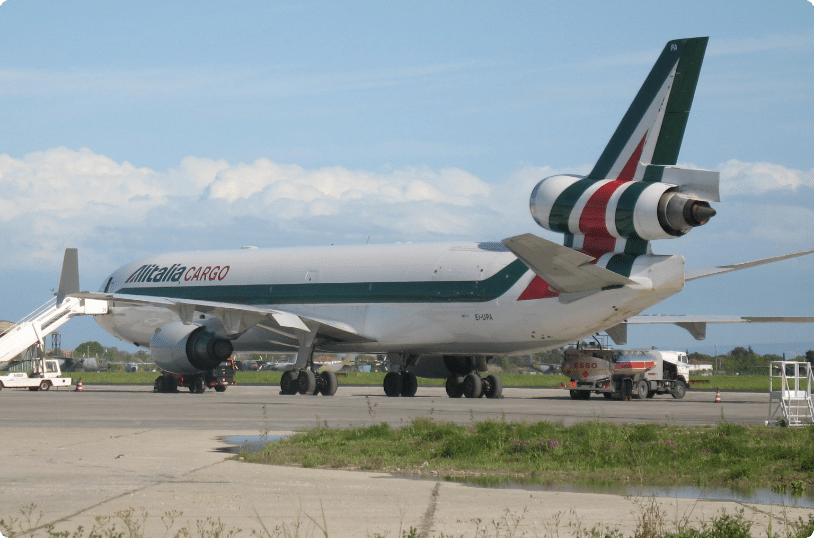
Main import goods from Italy
Technology and manufacturing, agricultural products, and other goods
Automotive and industrial
Auto parts, components, spare parts, and manufacturing inputs with scheduled deliveries and controlled replenishment.
Machinery and equipment
Machinery, production lines, parts, and spare components with handling requirements, defined timelines, and coordinated delivery in Mexico.
Construction and tiles
Ceramics, coverings, finishes, and materials that require packaging control, careful handling, and inventory planning.
Retail, luxury furniture, textiles, beauty, and healthcare
High-value goods, seasonal products, replenishment cargo, and sensitive items that require precise coordination and in-transit traceability.
Key logistics points for Italy → Mexico

Ports of departure in Italy (depending on the supplier’s origin)
Genoa, Trieste, Naples, Livorno, La Spezia, Gioia Tauro
Airports of departure in Italy (depending on city and capacity)
Rome Fiumicino (FCO), Milan Malpensa (MXP), Venice Marco Polo (VCE).
DOCUMENTS
Common questions when moving cargo from Italy to Mexico
(companies with active operations)
How much does it cost to import from Italy to Mexico by container (FCL) and what does the rate include?
It depends on the port/origin, equipment type (20’/40’/40HC), season, and scope. To assess it properly, ask for a cost breakdown and make sure you are comparing the same delivery point (Incoterm).
How much does it cost to import LCL (consolidated cargo) from Italy to Mexico per CBM?
In LCL, charges are based on CBM/weight and CFS conditions. The critical factor is the actual volume and how the cargo is packed.
Italy → Mexico ocean transit time: how many days does it take?
It varies by port, transshipment, and departure window. The useful answer is a route-based range plus service reliability, not a single number.
When does Italy → Mexico air cargo make sense for replenishment?
When the delay costs more than the freight: line stoppages, critical shortages, product launches, seasonal demand, or high-value cargo with a short delivery window.
How can you secure space and reduce rollover risk during peak season?
The standard practice is to plan shipment windows, book in advance, and define an alternative option (another departure, another route, or an airfreight contingency plan) for exceptions.
How can you reduce demurrage/detention on imports to Mexico from Italy?
With a pre-arrival plan: complete documentation, coordinated customs clearance, and scheduled delivery so free time is not lost due to lack of preparation.
What should real shipment visibility include?
Clear milestones (departure, connection, arrival, release, delivery), deviation alerts, and escalation with actions, not just tracking.
How can you consolidate LCL from multiple suppliers in Italy to one destination in Mexico?
It requires coordinated pickups, cut-off control, CFS consolidation, and document consistency to avoid having cargo ready but not loaded.
What works best for tiles/ceramics or luxury furniture from Italy?
Less handling, proper packaging, and a clear handling plan. The mode depends on volume, but the real risk is defined by how the cargo is handled.
We’re here to make sure everything flows smoothly
That is why, before shipping from Italy, keep the following in mind
Schedule and capacity changes do happen; what makes the difference is having clear alternatives and being able to act quickly.
Fragile or high-value cargo requires defined packaging and handling procedures from origin to reduce damage and claims.
In sensitive industries (for example, healthcare and beauty), early validation helps prevent operational delays and rework.
